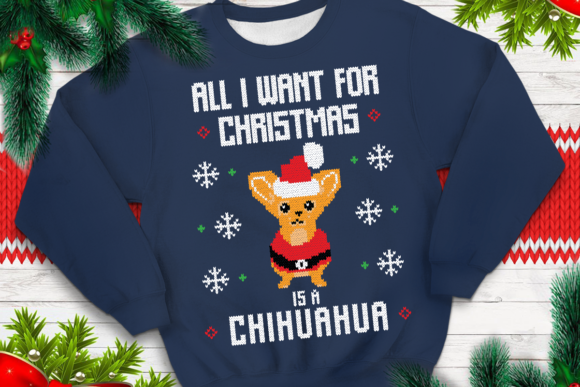
All I Want Christmas is a Chihuahua Design Review
As a professional embroidery digitizer and product reviewer, I approach every new machine embroidery design with a critical eye toward production viability. When evaluating "All I Want Christmas is a Chihuahua," my primary focus is not just the festive sentiment, but how this graphic translates from a digital screen to a tangible handmade product. This design captures a specific niche mood that resonates deeply with dog lovers during the holiday season, blending humor with seasonal tradition. However, because this item is listed under both Crafts and Graphics categories and offers editable text and image capabilities, it requires a more nuanced assessment than a standard static file. The ability to customize the template means the final stitch-out quality depends heavily on how the end-user manages the design assets within their software before sending it to the machine.
Translating Digital Graphics to Stitched Reality
The first impression of "All I Want Christmas is a Chihuahua" is one of playful specificity. Unlike generic reindeer or snowman motifs, this design targets a passionate demographic. For an Etsy seller or small shop product creator, this specificity is gold. It moves beyond general holiday embroidery into personalized storytelling. Visually, the layout typically balances typography with illustrative elements, which is crucial for maintaining readability when stitched. As a reviewer, I look for clean separation between text and graphics. If the lettering is too ornate or the Chihuahua illustration relies on gradients rather than defined stitch regions, the design will fail on fabric.
Since this is an instant download where you can edit the template with your own images and words, treat the base file as a foundation rather than a finished embroidery file. You must verify that any custom text you add uses proper column widths. A common mistake in customizable digital embroidery files is stretching satin stitches beyond 7mm to accommodate longer names or phrases, leading to thread breaks and poor coverage. Always check the stitch density after making edits to ensure the fabric can support the added weight without puckering.
Real-World Application: The Custom Sweatshirt Test
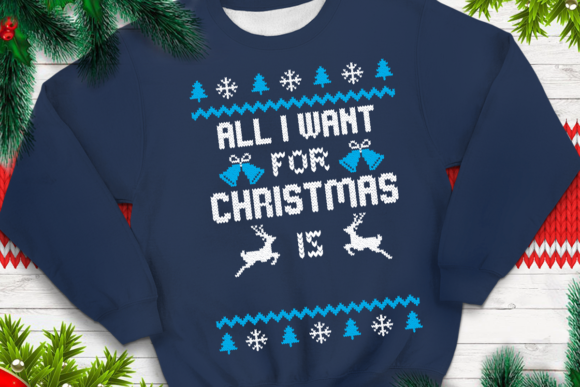
To truly judge this design, I mentally place it in a real-life production scenario. Imagine preparing a custom crewneck sweatshirt for a client who wants a matching set for her three Chihuahuas for a holiday card photo. This is a classic use case for sweatshirt embroidery. Fleece and French terry fabrics are textured and prone to swallowing fine details. In this context, "All I Want Christmas is a Chihuahua" needs bold lines. If the design features delicate running stitch outlines for the dog’s facial features, they may disappear into the fleece nap.
For this project, I would recommend using a tear-away stabilizer combined with a water-soluble topping to keep the stitches crisp on top of the fabric texture. Because the design allows for text editing, personalizing each sweatshirt with the individual dog's name adds immense value to the personalized gift. However, as a maker, you must test the placement. On a sweatshirt, the design should sit slightly above the bust line to avoid distortion when worn. If the graphic is too low, it looks unprofessional; too high, and it interferes with the neckline seam. This design’s versatility makes it suitable for custom apparel, provided you respect the garment's construction limits.
Navigating Fabric Limitations and Hoop Constraints
While this design shines on stable knits, it requires caution on other substrates. If you plan to use "All I Want Christmas is a Chihuahua" for a tote bag design or canvas apron, the lack of stretch works in your favor, allowing for higher detail. Conversely, if you are attempting this on a stretchy baby onesie for baby embroidery, you must reduce the density and perhaps simplify the editable elements. Heavy fill areas on lightweight cotton jersey can cause the fabric to tunnel or tear.
Hoop size is another critical variable. Since this is a downloadable graphic asset, confirm the dimensions before purchasing. A design optimized for a 5x7 hoop will look vastly different than one scaled down for a 4x4 hoop. Small details in the Chihuahua’s face or tiny serif fonts in the text may need to be removed or simplified for smaller hoops. Never rely solely on auto-resize functions in your machine; they often distort satin stitch columns and alter thread colors mapping. Always manually adjust the design assets to fit your specific hoop size while maintaining structural integrity.
Commercial Viability and Brand Consistency
For creative entrepreneurs running a craft business, consistency builds trust. Using "All I Want Christmas is a Chihuahua" across multiple products creates a cohesive collection. However, because you can edit the template, there is a risk of creating disjointed merchandise. If you change the font style drastically between a pillow cover and a tea towel, the brand identity weakens. Stick to a consistent typographic hierarchy and color palette even when customizing the text.
When listing finished items, your printable mockup should accurately represent the stitch texture. Do not use flat vector graphics to sell embroidered goods; customers need to see how the applique design or fill stitches interact with the material. This transparency reduces returns and increases buyer confidence. Furthermore, always verify the licensing terms included with your instant download. Just because a file is editable does not automatically grant commercial embroidery rights for mass production or digital resale of the modified file itself. Respecting intellectual property is as important as stitch quality in maintaining a reputable shop.
Essential Pre-Stitch Checklist for Makers
Before committing this design to a final embroidery project, run through this practical checklist to ensure professional results:
- Test on Scrap Fabric: Never stitch directly on a finished product without testing the edited version first. Check for registration issues between the text and the Chihuahua graphic.
- Verify Thread Contrast: Ensure the chosen thread colors provide enough contrast against the background fabric. White text on cream fleece is illegible; opt for deep reds, greens, or metallics for holiday pop.
- Inspect Small Details: Zoom in at 100% in your software. Any element smaller than 1mm wide should be converted to a running stitch or removed entirely to prevent needle breaks.
- Check Stabilizer Pairing: Match the stabilizer weight to the fabric and the design density. Heavier edits require stronger backing.
- Mockup in Black and White: Viewing the design in grayscale helps identify value separation issues that color might hide.
- Confirm Licensing: Re-read the "What You Get" section to ensure your intended commercial use aligns with the designer’s terms.
Final Thoughts on Design Value
"All I Want Christmas is a Chihuahua" represents a valuable asset for makers who understand the intersection of digital customization and physical craftsmanship. Its strength lies in its emotional connection to a specific audience and its flexibility as a template. However, its success as a finished product relies entirely on the user's technical diligence. By treating this graphic as a starting point for thoughtful embroidery design rather than a plug-and-play solution, you can create stunning, sellable items that delight customers. Whether you are stitching a boutique holiday collection or a singular embroidered patch for a friend, the care you put into adapting this design will be evident in every stitch. Remember, in the world of machine embroidery, the best designs are those that survive the transition from pixel to thread with their charm intact.